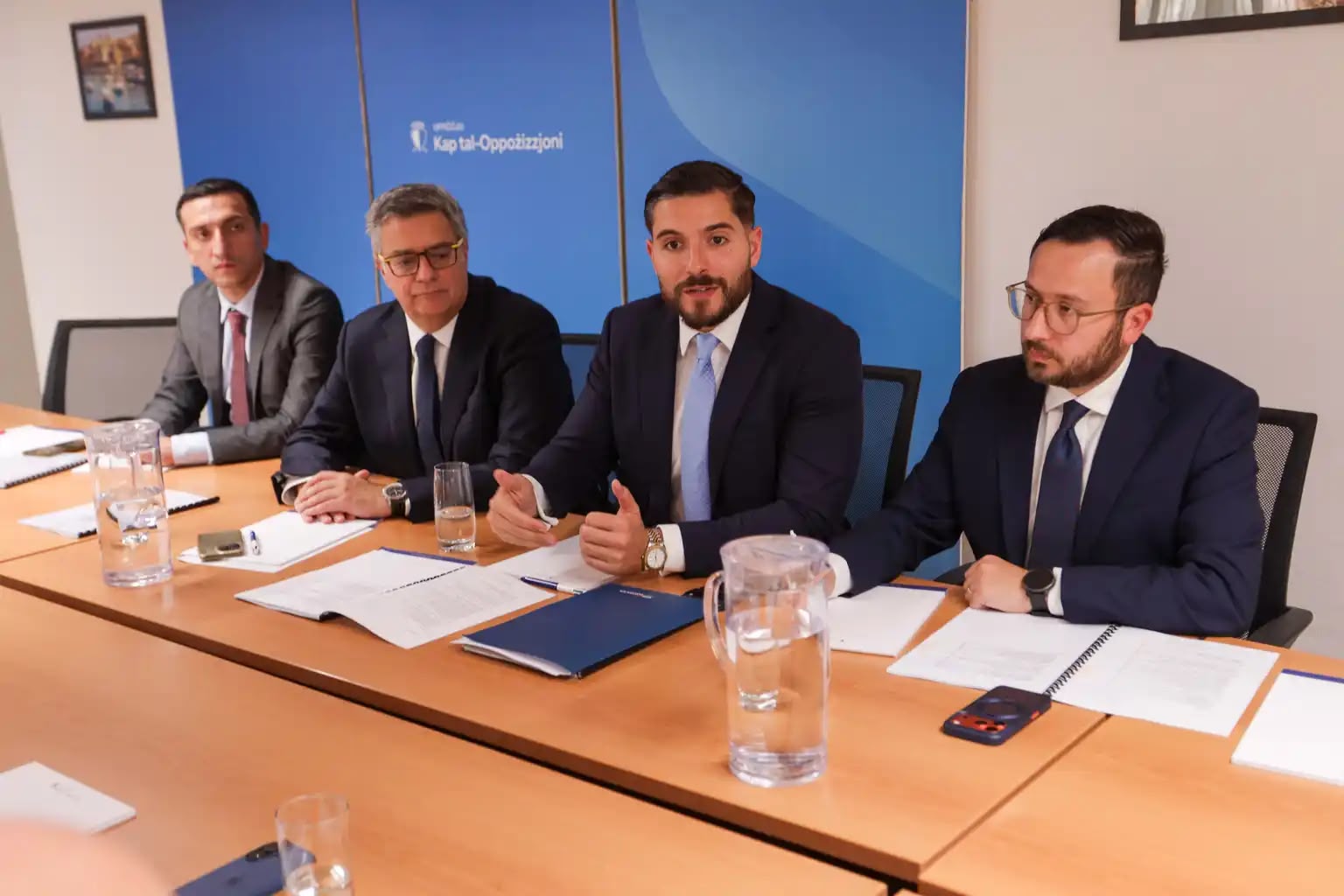
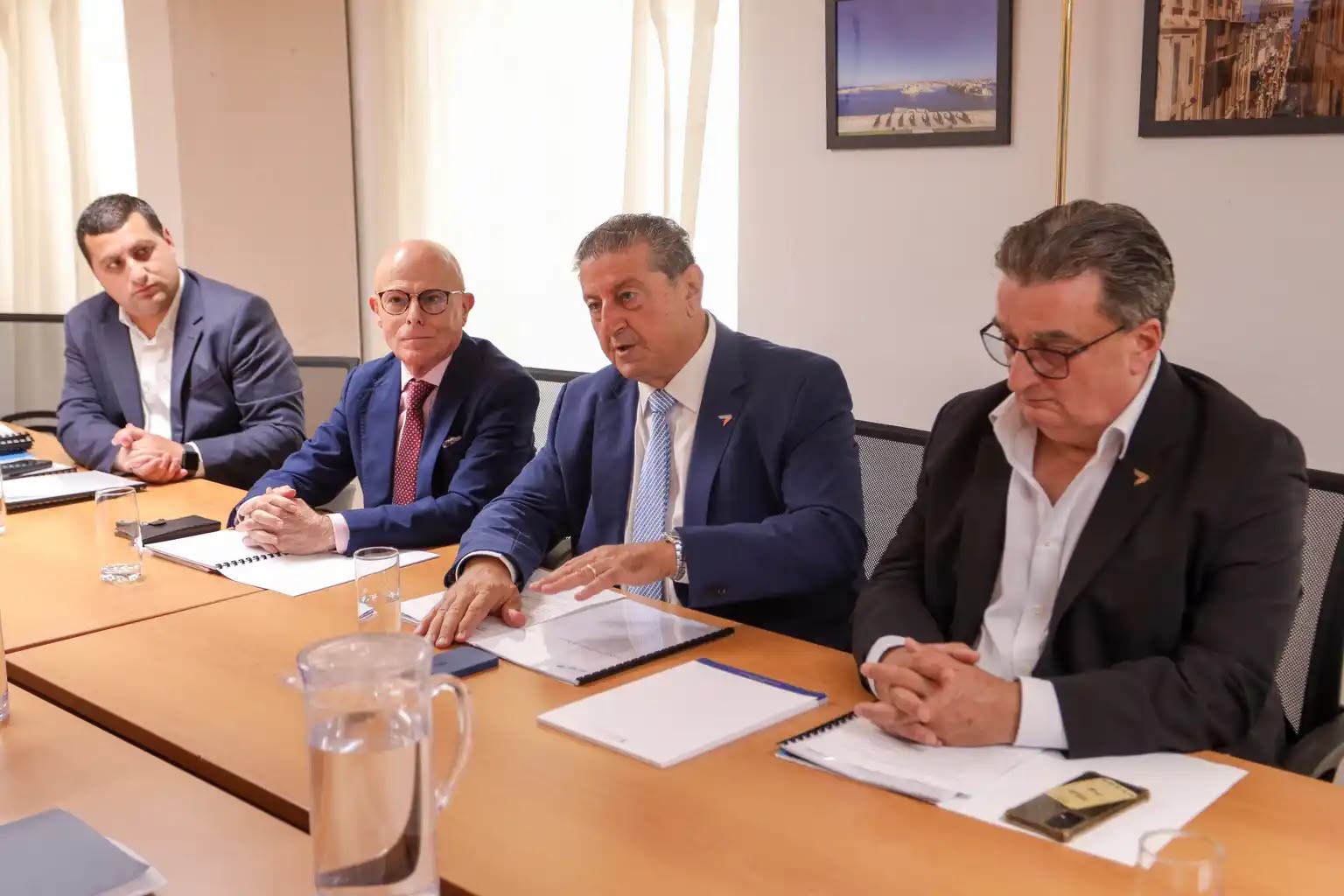
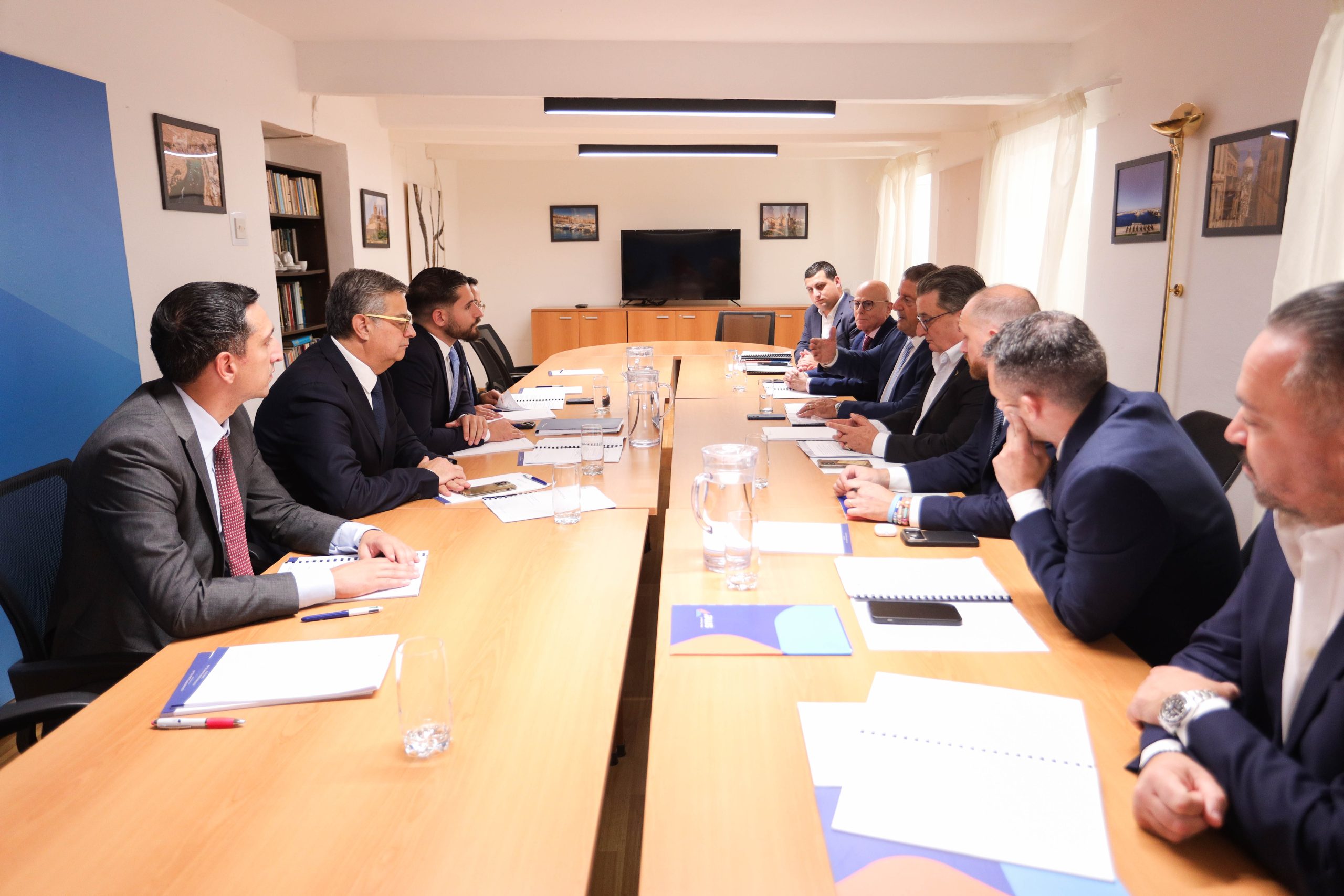
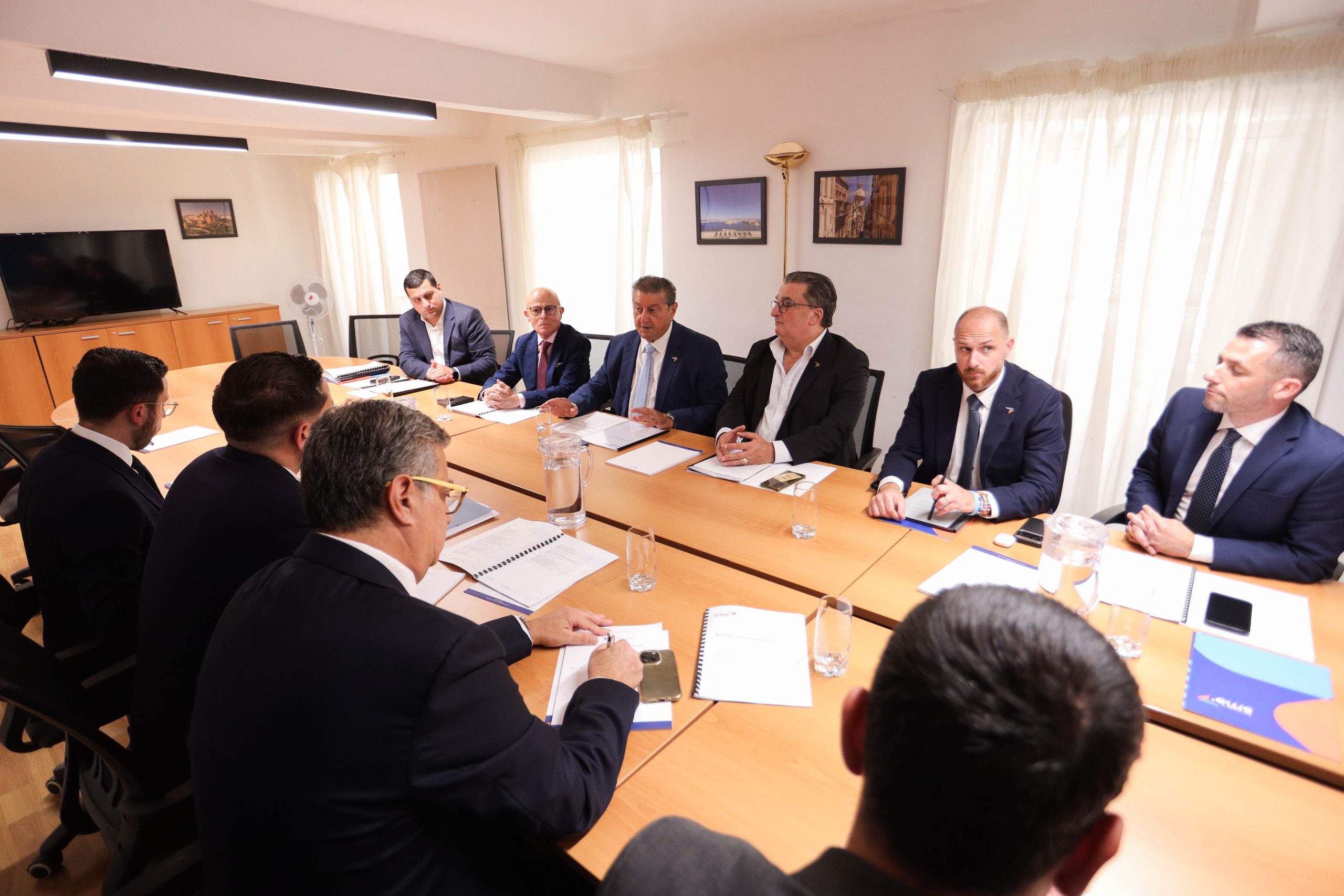
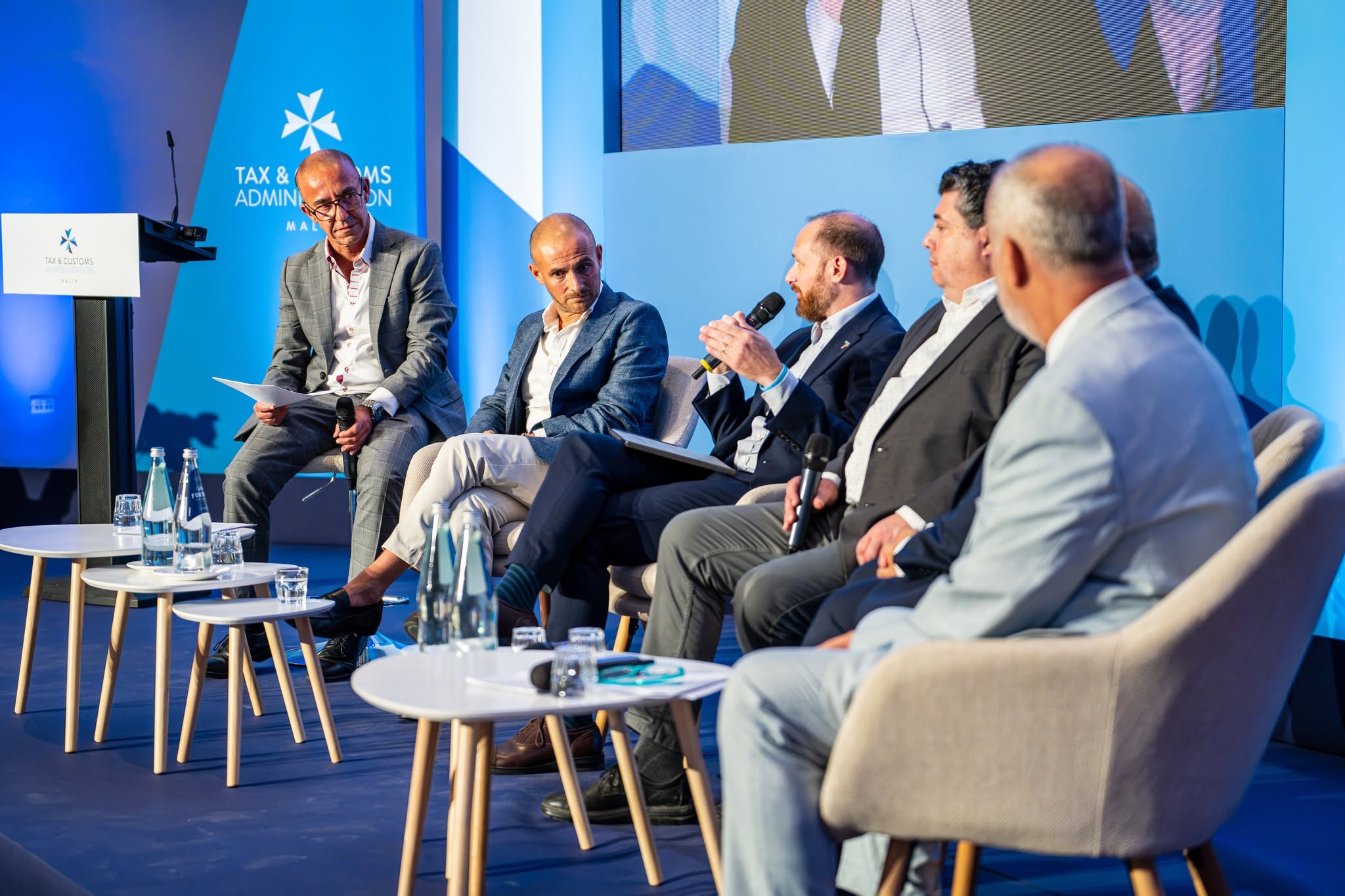
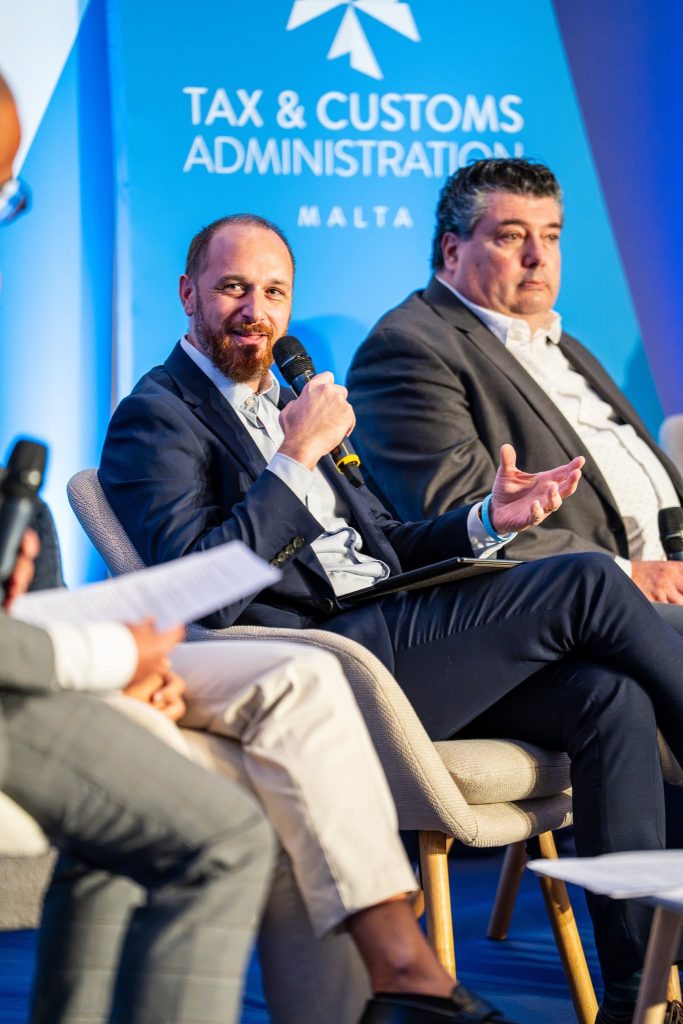
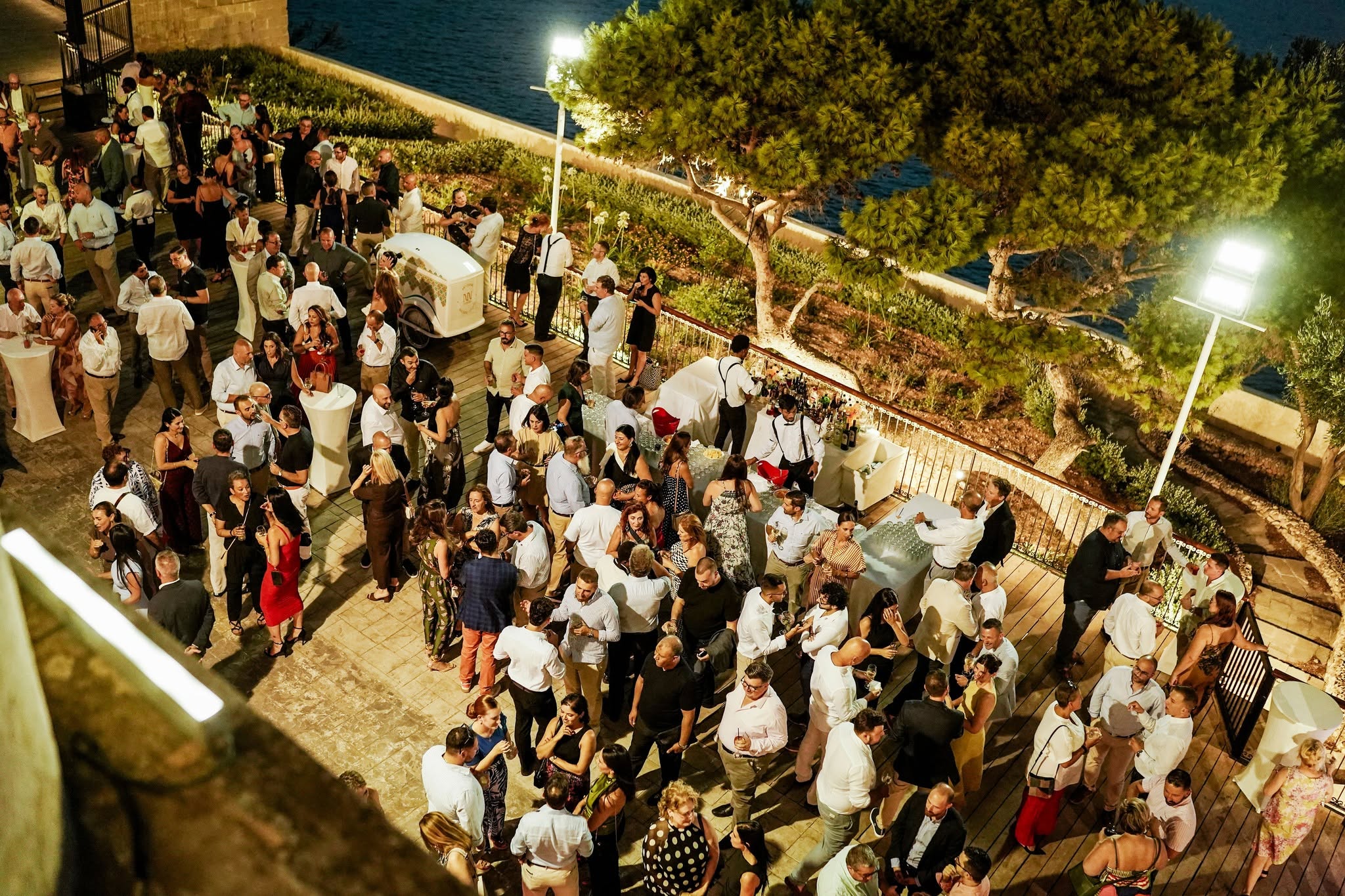
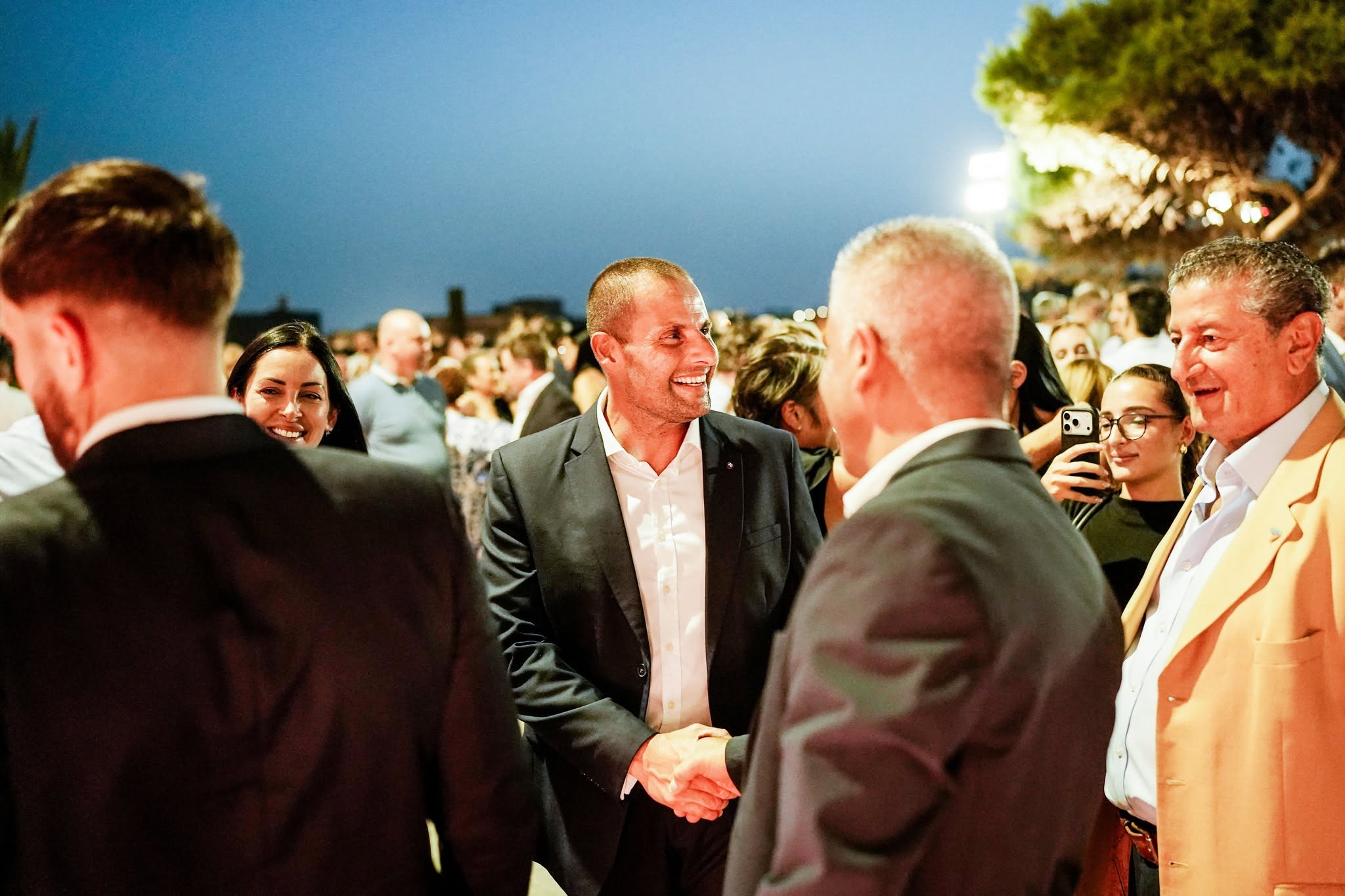
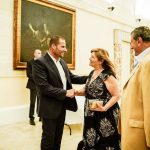
The conference focused on looking 50 years into Malta’s future, exploring the opportunities, challenges and vision that will shape our country in the decades ahead.
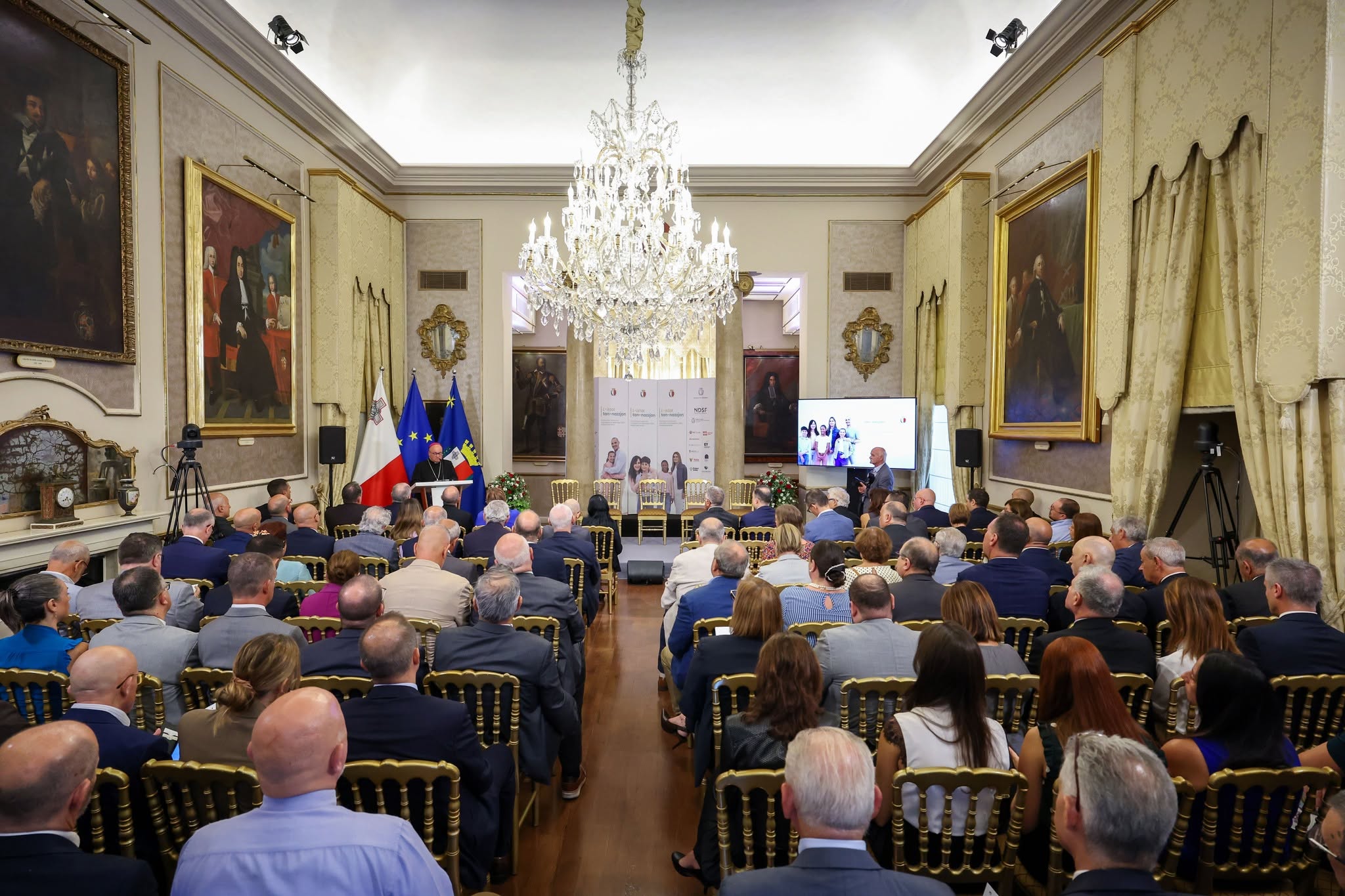
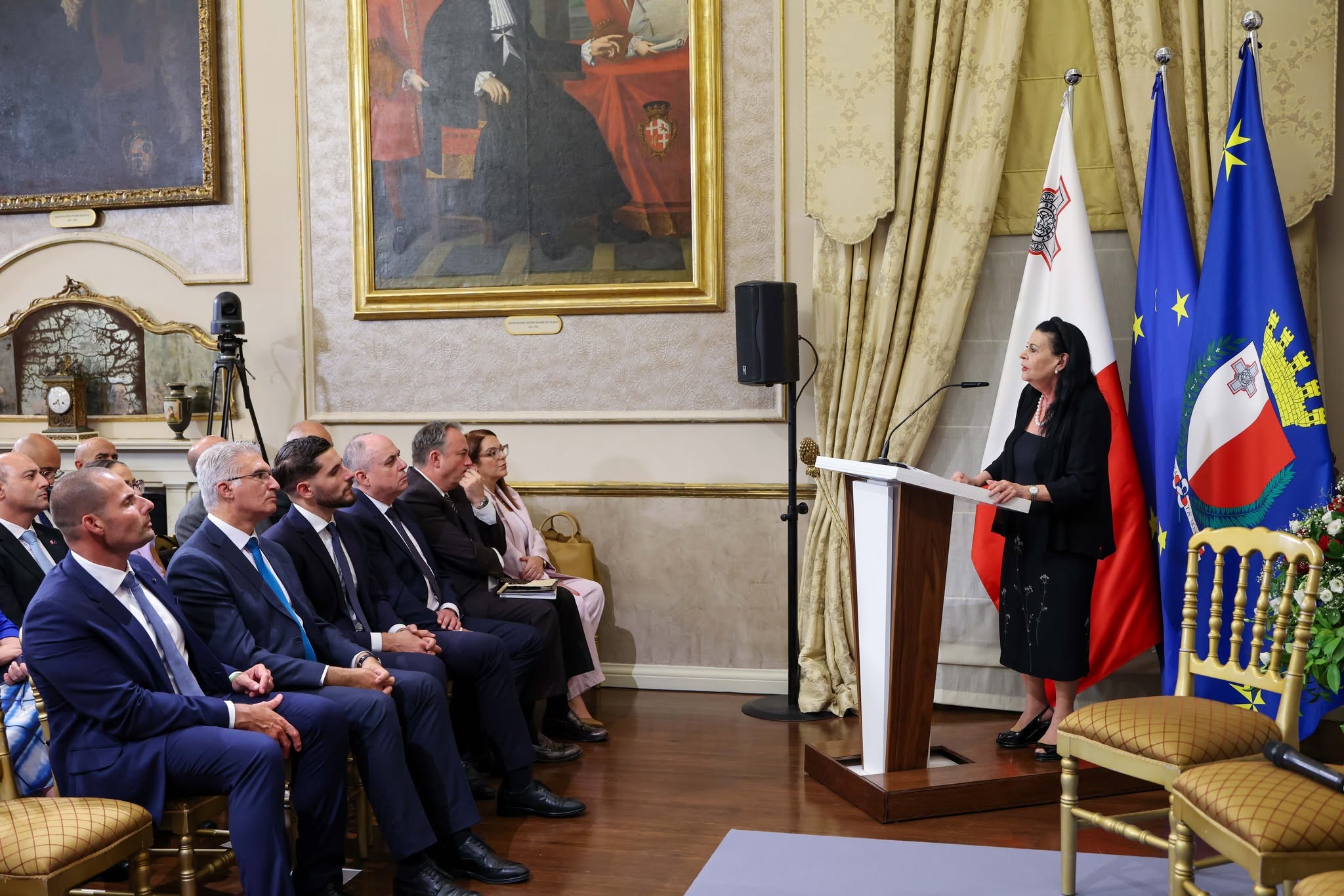
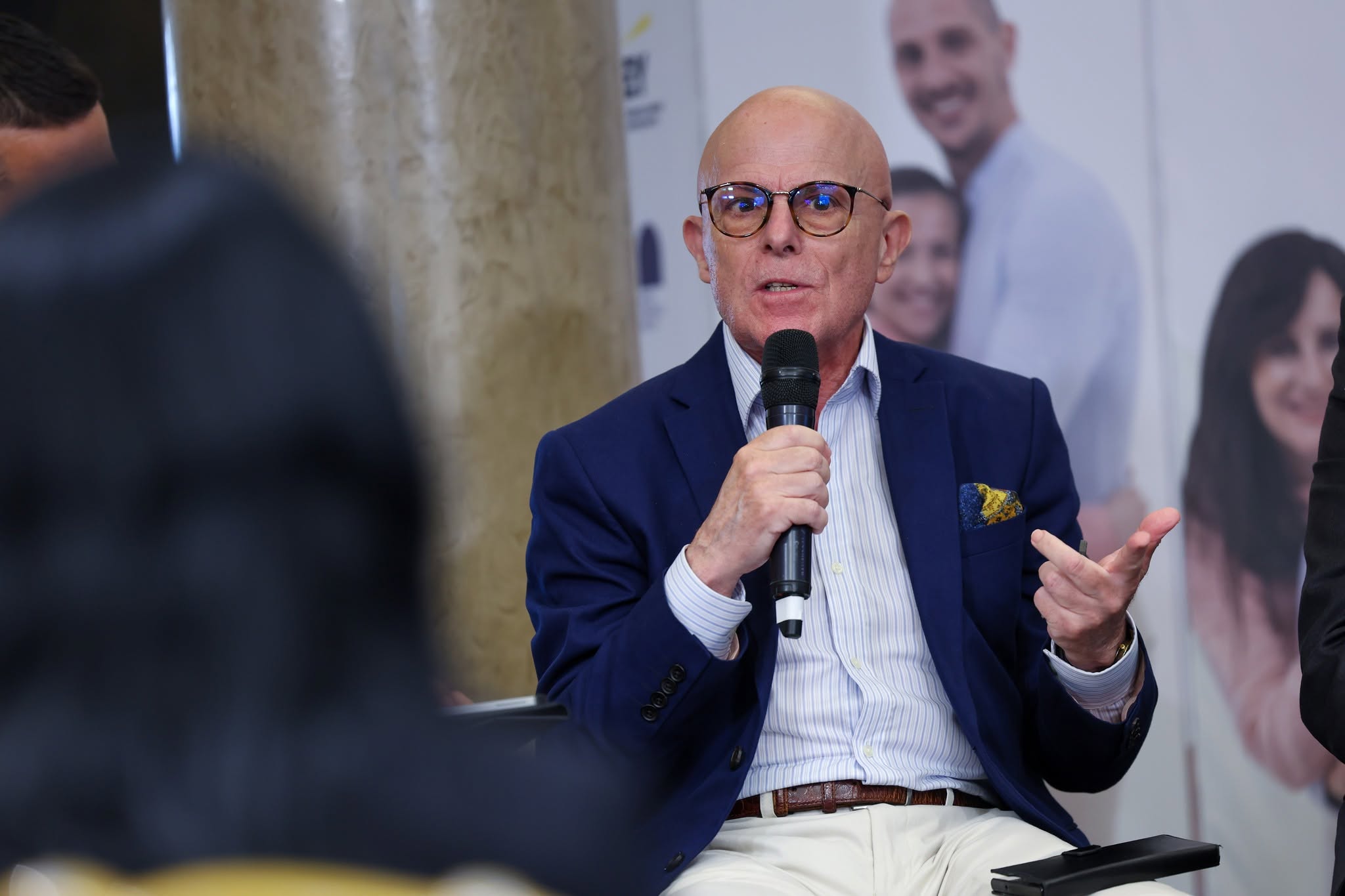
When I took part in the State of the Nation conference at San Anton Palace recently, hosted by the President of Malta, the main conversation was centred on looking 50 years into our future.
But as I argued on that panel, before we try to project half a century ahead, we first need to sit down, take stock of where we are today, and understand the true value of what we have built.
Now that the peak summer season is drawing to a close, it is the right time for a clear reality check.
The boisterous crowds of youths we saw in July and August have largely left, and the predictable wave of seasonal panic has started to cool down with them.
We have to be honest about what happened. The frustration over localised misbehaviour in places like Swieqi was understandable, but perspective was completely lost.
Unruly groups made up a microscopic fraction of the tourists who came to Malta. Yet through social media, the incidents that happened were turned into a national drama.
The right response was never panic, it was firm law enforcement. By bringing in on the spot fines and a visible security presence, where Armed Forces personnel supported police patrols, we sent a firm message that Malta welcomes visitors, but lawlessness will simply not be tolerated.
During the conference, I pointed to the economic reality driving this entire debate.
Our economy has grown from a €7 billion GDP to over €25 billion. That massive expansion created huge business and consumer confidence, which triggered unprecedented private investment.
On one side of the coin, visionary operators have raised our core product to exceptional standards.
Older and outdated tourism properties are constantly being replaced by brand new, higher standard developments.
Historic palazzinos across our traditional villages have been restored into boutique residences, while top tier five-star hotels, Michelin star restaurants, upscale clubs, lounges, retail, and leisure outlets continue to lift our overall profile.
We are celebrating genuine Maltese character right alongside our vibrant modern hubs.
Our traditional charm has not been destroyed, it has actually expanded across new niches and demographics.
The proof of this work is clear.
This past January, our visitor numbers were higher than the absolute peak of August 2012.
Reaching mid-summer volume in the middle of winter is the direct result of strategic, year-round planning that took years to achieve.
However, as I made clear at San Anton, this rapid growth also brought a side effect, which is localised pressure and what I call the copycat syndrome.
While pioneers innovate and raise standards, a secondary wave of investors simply duplicates existing ideas in spaces that are already saturated.
This kind of redundancy adds physical pressure to our localities and fuels complaints about overtourism without adding any real economic value.
We do not need more of the same. Private capital needs to shift toward gap filling, niche quality, and real value addition instead of simple duplication.
We also need to remember where we started. Those who complain about peak periods seem to forget the alternative we lived through in the past, an era of under tourism, empty hotels, seasonal layoffs, and economic stagnation.
Nobody wants to go back to that. What we are going through today are growing pains, not dying pains.
Seasonal pressures require active management, not alarmism.
Peak demand puts a strain on local lifestyles, and that impacts our wellbeing index. Host wellbeing and guest satisfaction go hand in hand.
We felt this friction during peak months when street cleansing struggled to keep up with waste volumes, and during power disruptions caused by replacing legacy cables and installing new substations.
On top of that, because local labour shortages force us to bring in foreign workers to support the service sector, our population footprint expands.
To manage this load over the coming decades, we have to embrace digitalisation and AI across operations to reduce labour dependency, while planning ahead for global shifts like climate change.
Our product is not ruined. It is richer, more diverse, and more competitive than it has ever been.
As I emphasised at San Anton, the way forward is not to pull the emergency brake on an economic engine that brought us to €25 billion, but to steer it through better infrastructure, technology driven efficiency, disciplined investment, firm enforcement, and sensible governance.