Malta Chamber of SMEs calls for a long-term business resilience framework following power outage
22 July 2026
The Malta Chamber of SMEs acknowledges the significant investment and continuous efforts undertaken over recent...

MEPs
have voted to reject the controversial Acta designed to provide better global
protection for intellectual property. This
means it is unlikely the EU will approve the treaty in its current form, and
means that it is doubtful that the agreement, which the US strongly supports,
will ever come into force.
This
is the first time the European parliament has used its Lisbon treaty powers to
reject an international trade agreement, but the commission could still push
for a revival of Acta if it secures a court decision in its favour.
MEPs
voted 478 against, 39 in favour, with 165 abstentions, amid fears that the
treaty could be used to restrict internet freedom leading to the mobilisation
of broad support across Europe, including protests across a number of cities.
Parliament president Martin Schulz said that the vote against Acta was not a
vote against the protection of intellectual property, saying the rejection
stemmed from the treaty being "too vague, leaving room for abuses".
Anti-Acta
campaigners, who secured 2.8 million signatures for an online petition to
reject the law, have called the decision a victory for European democracy and
civil society. Anti-Acta activists had complained that negotiations for the
treaty had taken place largely behind closed doors, with leaked drafts being
the only real access the public had to the text of the agreement, reports the
Telegraph.
The
commission is still waiting for a European court decision on Acta's legality,
but the court's ruling is unlikely to make a difference, with Brussels
officials reportedly already working on an EU intellectual property rights
enforcement directive.
22 July 2026
The Malta Chamber of SMEs acknowledges the significant investment and continuous efforts undertaken over recent...
16 July 2026
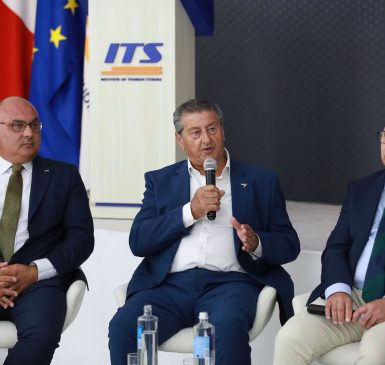
The President of the Malta Chamber of SMEs, Mr Paul Abela, participated in a panel...
10 July 2026
In a typical businessman’s mind the words energy audit, trigger the dread of inspections, paperwork and...
The Malta Chamber of SMEs represents over 7,000 members from over 90 different sectors which in their majority are either small or medium sized companies, and such issues like the one we're experiencing right now, it's important to be united. Malta Chamber of SMEs offers a number of different services tailored to its members' individual requirements' and necessities. These range from general services offered to all members to more individual & bespoke services catered for specific requirements.
A membership with Malta Chamber of SMEs will guarantee that you are constantly updated and informed with different opportunities which will directly benefit your business and help you grow. It also entails you to a number of services which in their majority are free of charge and offered exclusively to its members (in their majority all free of charge).