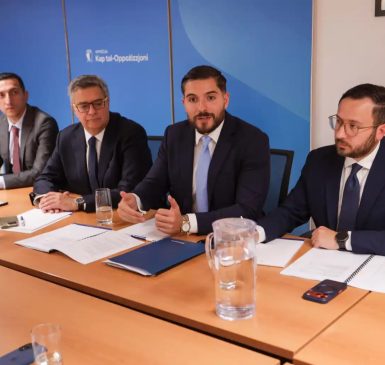
Malta Chamber of SMEs meets Opposition Leader ahead of Budget 2027
08 October 2026
Ahead of the Budget 2027, council members of the Malta Chamber of SMEs met earlier...
 The major claim of GRTU in its submissions to MRA, that the previous tariffs structure discriminated against small and medium enterprises, has now been met according to the new tariffs proposed by Enemalta. The framework on which the proposed new tariff regime is based no longer carries a different tariff structure, one for selected large enterprises and one for all enterprises with a gross discrimination against smaller businesses. The new proposed tariff structure also reduces further the tariffs for heavy consumers in the commercial and catering sectors. The new proposed tariff structure reduces the tariffs applicable to SMEs by the full amount that was the basis of the complaint of GRTU. The new proposed tariffs represent for GRTU members a reduction of around 29% to 21%.
This reduction is expected to come into force from the effective date of the new tariff structure. GRTU now expects MRA to approve a tariff structure which will reflect the loss suffered by SMEs resulting from the imposition of the objectionable 4c3 suffered under the current tariffs, which charge was not directly related to the actual consumption made by SMEs but reflected instead a subsidy that smaller firms were forced to give to cover the consumption of the selected few larger enterprises that benefited from a reduced tariff rate in comparison to smaller businesses.
GRTU is not satisfied that the new tariffs proposed by Enemalta correspond faithfully to the prices of fuel and gas oil reigning in the market since September 2008. GRTU expects the Public Regulator, MRA, to publish its independent fuel market analysis to the satisfaction of residential and non-residential Enemalta consumers. GRTU also expects MRA to approve a tariff structure that reflects the economic impact on enterprises within the framework of the current adverse economic situation.
GRTU will be publishing a detailed analysis of the proposed tariffs in the coming days.
08 October 2026
Ahead of the Budget 2027, council members of the Malta Chamber of SMEs met earlier...
08 October 2026
The Malta Chamber of SMEs is concerned by comments made by Minister Clyde Caruana, attributing...
17 September 2026
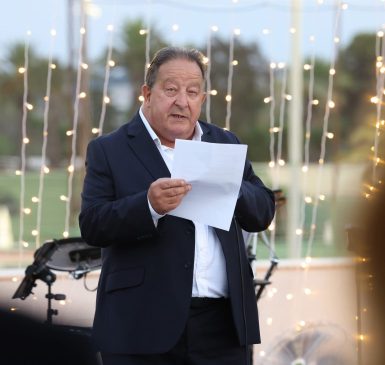
It is with great sadness that we remember Joe Attard, CEO of Green MT Limited...
The Malta Chamber of SMEs represents over 7,000 members from over 90 different sectors which in their majority are either small or medium sized companies, and such issues like the one we're experiencing right now, it's important to be united. Malta Chamber of SMEs offers a number of different services tailored to its members' individual requirements' and necessities. These range from general services offered to all members to more individual & bespoke services catered for specific requirements.
A membership with Malta Chamber of SMEs will guarantee that you are constantly updated and informed with different opportunities which will directly benefit your business and help you grow. It also entails you to a number of services which in their majority are free of charge and offered exclusively to its members (in their majority all free of charge).