Press Release: New EU Packaging Rules Exclude Small Businesses from the Single Market
11 September 2026
The Malta Chamber of SMEs is raising serious concerns over the impact of the new...
These reports ranged from
the car importers to the white goods exhibitors.
GRTU has conducted its
second survey among the trade fair exhibitors, which are mainly represented by
the organisation. The survey focused on the general outcome of trade fair
operations. Businesses were asked to comment on their overall performance and
opinions.
Only 22 per
cent managed to achieve the turnover they expected. 57 per cent said that they
actually did worse than expected.
Meanwhile, 44 per cent registered sales
improvement during the second week over the first week. 40 per cent recorded the
same turnover as the first week with 16 per cent claiming a
decrease.
Those who noted that visits to their stands increased compared
to last year amounted to 26 per cent only. 45 per cent noted a
decrease.
83 per cent think that the dates chosen for the trade fair are
appropriate yet 52 per cent are also of the opinion that minor but specialised
Fairs held throughout the year are affecting the overall performance of the
general Trade Fair.
Nevertheless, 66 per cent think they will participate
again in next year’s fair with 28 per cent are still unsure. Of those who will
not participate again or still unsure, 50 per cent admitted that they are not
recuperating costs. However, some comment that exposition in the trade fair is
paramount if one wants to survive competition.
As a general comment, the
trade fair used to attract far more people and generate far more business in
past years when the price reductions used to happen only at trade fair time and
when these were considerable. These days, there are sales going on all the time
and many so-called trade fair reductions are not perceived to be real reductions
at all.
Mainly, however, it all points out to people being far more
careful with their money, with many jobs being under threat and with people
generally being far more careful about the way they spend their money.

11 September 2026
The Malta Chamber of SMEs is raising serious concerns over the impact of the new...

22 July 2026
The Malta Chamber of SMEs acknowledges the significant investment and continuous efforts undertaken over recent...
16 July 2026
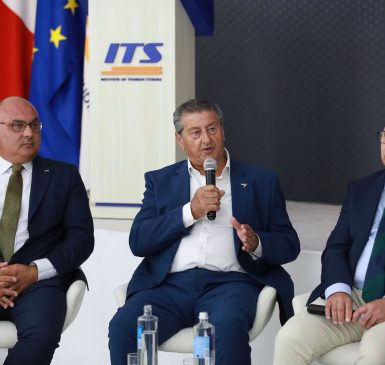
The President of the Malta Chamber of SMEs, Mr Paul Abela, participated in a panel...
The Malta Chamber of SMEs represents over 7,000 members from over 90 different sectors which in their majority are either small or medium sized companies, and such issues like the one we're experiencing right now, it's important to be united. Malta Chamber of SMEs offers a number of different services tailored to its members' individual requirements' and necessities. These range from general services offered to all members to more individual & bespoke services catered for specific requirements.
A membership with Malta Chamber of SMEs will guarantee that you are constantly updated and informed with different opportunities which will directly benefit your business and help you grow. It also entails you to a number of services which in their majority are free of charge and offered exclusively to its members (in their majority all free of charge).