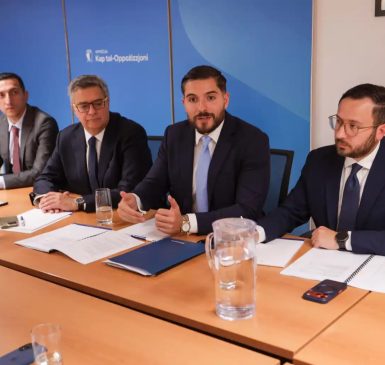
Malta Chamber of SMEs meets Opposition Leader ahead of Budget 2027
08 October 2026
Ahead of the Budget 2027, council members of the Malta Chamber of SMEs met earlier...

Vince Farrugia, Director General of
GRTU and Maltese Employers Representative at EESC was one of the speakers at
the EESC ECO (Economic and Monetary Union and Economic and Social Cohesion)
section meeting on the own-initiative opinion on the Future of the Euro.
Vince Farrugia said that the future of
the Euro needs a to be taken within the background of what is being called the
Balkanasation of the global financial system. For three decades there was a
seemingly unstoppable increased capital mobility and integration, but after the
2008 crises all this halted abruptly. Cross border flows collapsed and today
remain at 60% below their peak.
A large factor in this drop is the
dramatic reversal of European Financial Integration. European Nations, once in
the vanguard of capital mobility are now turning inward. "This is a very serious situation for
enterprise owners as infrastructure and business investments need capital
movement if Europe is to reach out to further growth in all Member States and
in all regions. Euro Zone cross border landing since the end of 2007 has
dropped by almost 2 trillion Euros. Other types of cross border investment in
Europe have fallen by more than half", emphasized Vince Farrugia.
"I'm
not proposing a return to asset bubbles and volatility that existed in the
pre-crises period however it is important that the Euro is further strengthened
as capital mobility is essential for business and economic growth and the EESC should continue to
strive further so that the remaining barriers to healthy capital transfers are
removed. Openness to foreign investment and capital flows entails risk but also
very clear benefits. The degree of
openness and pace of movement will depend on the size and sophistication of a
country's financial sector and the strength of its regulation ad
supervision. The EESC in its opinion
should clearly aim towards this target"
It is also essential that the opinion
emphasizes that we in the Euro Zone should develop further equity and bond
capital markets as capital markets provide a crucial alternative to bank loans
and enable investors to participate in local markets. Furthermore, it is of
utmost importance that Europe establishes the Euro Zone banking Union to
restore confidence and put financial integration back on track. It is essential
that we restore confidence in the Euro Zone future and a healthy flow of
finances.
Vince Farrugia concluded his presentation by insisting on the
rapporteur to produce a more focused opinion.
08 October 2026
Ahead of the Budget 2027, council members of the Malta Chamber of SMEs met earlier...
08 October 2026
The Malta Chamber of SMEs is concerned by comments made by Minister Clyde Caruana, attributing...
17 September 2026
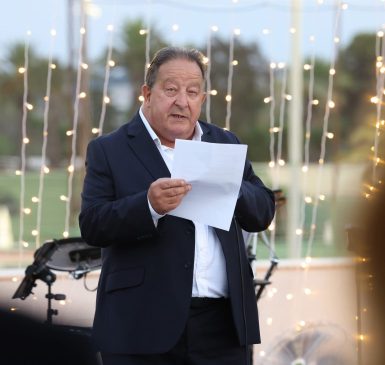
It is with great sadness that we remember Joe Attard, CEO of Green MT Limited...
The Malta Chamber of SMEs represents over 7,000 members from over 90 different sectors which in their majority are either small or medium sized companies, and such issues like the one we're experiencing right now, it's important to be united. Malta Chamber of SMEs offers a number of different services tailored to its members' individual requirements' and necessities. These range from general services offered to all members to more individual & bespoke services catered for specific requirements.
A membership with Malta Chamber of SMEs will guarantee that you are constantly updated and informed with different opportunities which will directly benefit your business and help you grow. It also entails you to a number of services which in their majority are free of charge and offered exclusively to its members (in their majority all free of charge).